

This post contains affiliate links and I may earn commissions if you make a purchase.
Quick note: This post may contain affiliate links. If you choose to purchase through them, I may earn a commission at no extra cost to you.
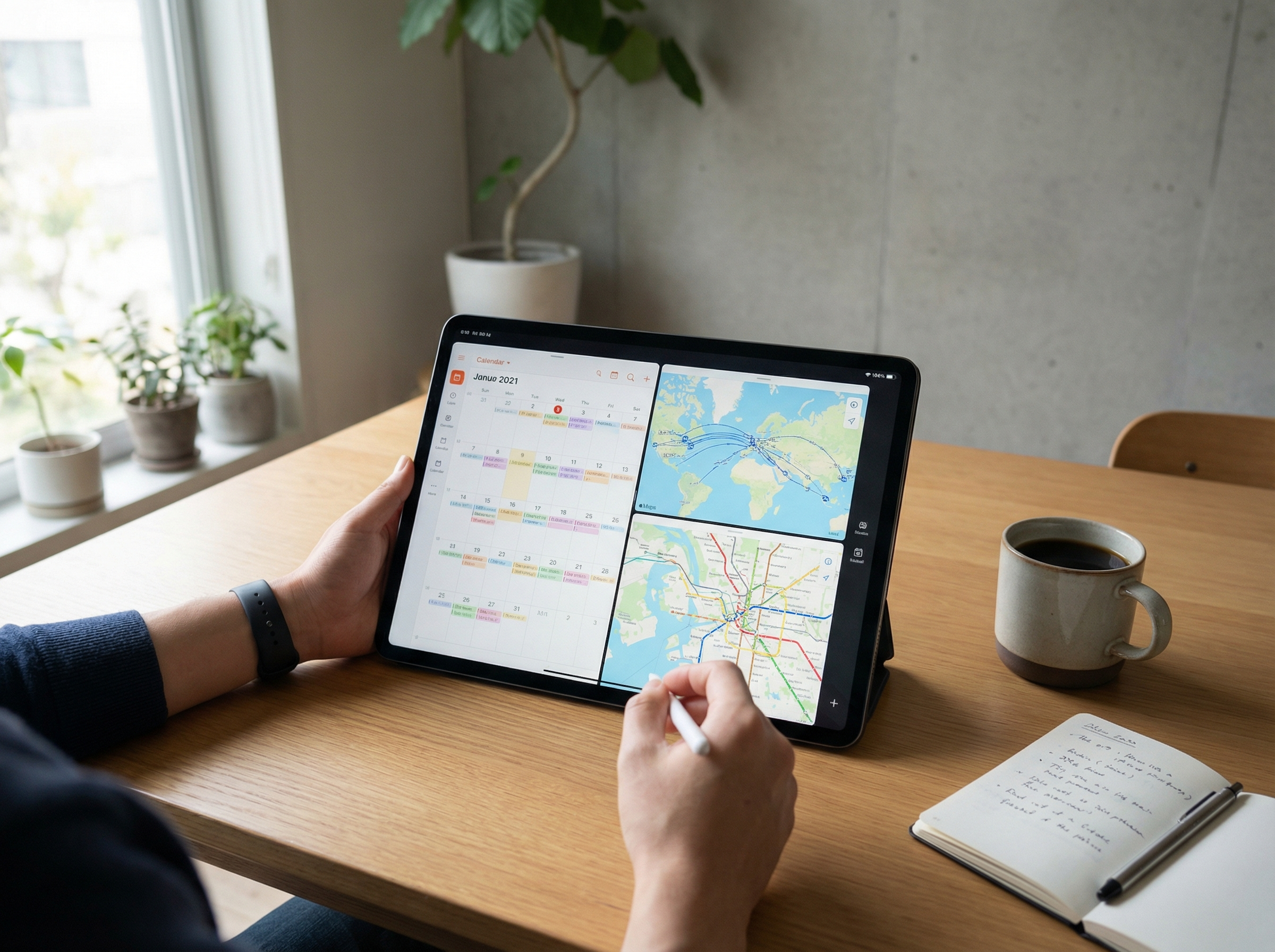
I get asked this a lot, usually with the same look on someone’s face that says, “So you’re basically on vacation… but with email?” And I get it. From the outside, digital nomad travel can look like a never-ending highlight reel. From the inside, it’s a trade. You swap routine for responsibility, and you learn pretty fast whether you built real systems or just chased a vibe.
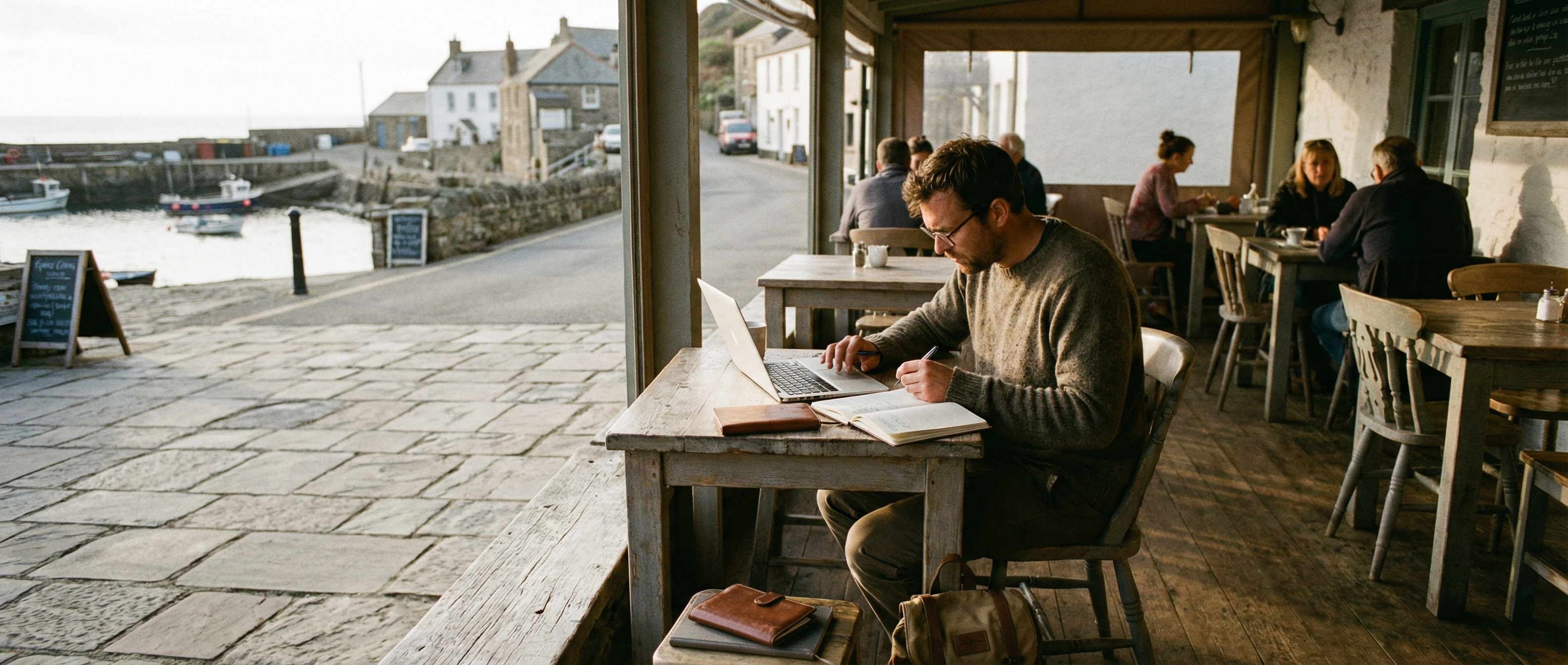
The moment you realize travel freedom only works when your work systems do.
Real answer: They travel because it forces clarity. About work, money, priorities, and what “enough” actually means.
The Real Problem: Life Gets Narrow Fast
Most people don’t wake up one day and decide, “I’m going to work from four continents this year.” What usually happens is simpler.
If you’re new to the whole concept, start here: How to Become a Digital Nomad (The Realistic Beginner’s Guide). It’s the grounded version, not the influencer version.
1) Freedom and Flexibility (But Only If You Earn It)
Freedom is the headline reason, and it’s real. You can choose your location, your hours, and your work environment. But the part that doesn’t show up in travel photos is the discipline required to keep it all running.
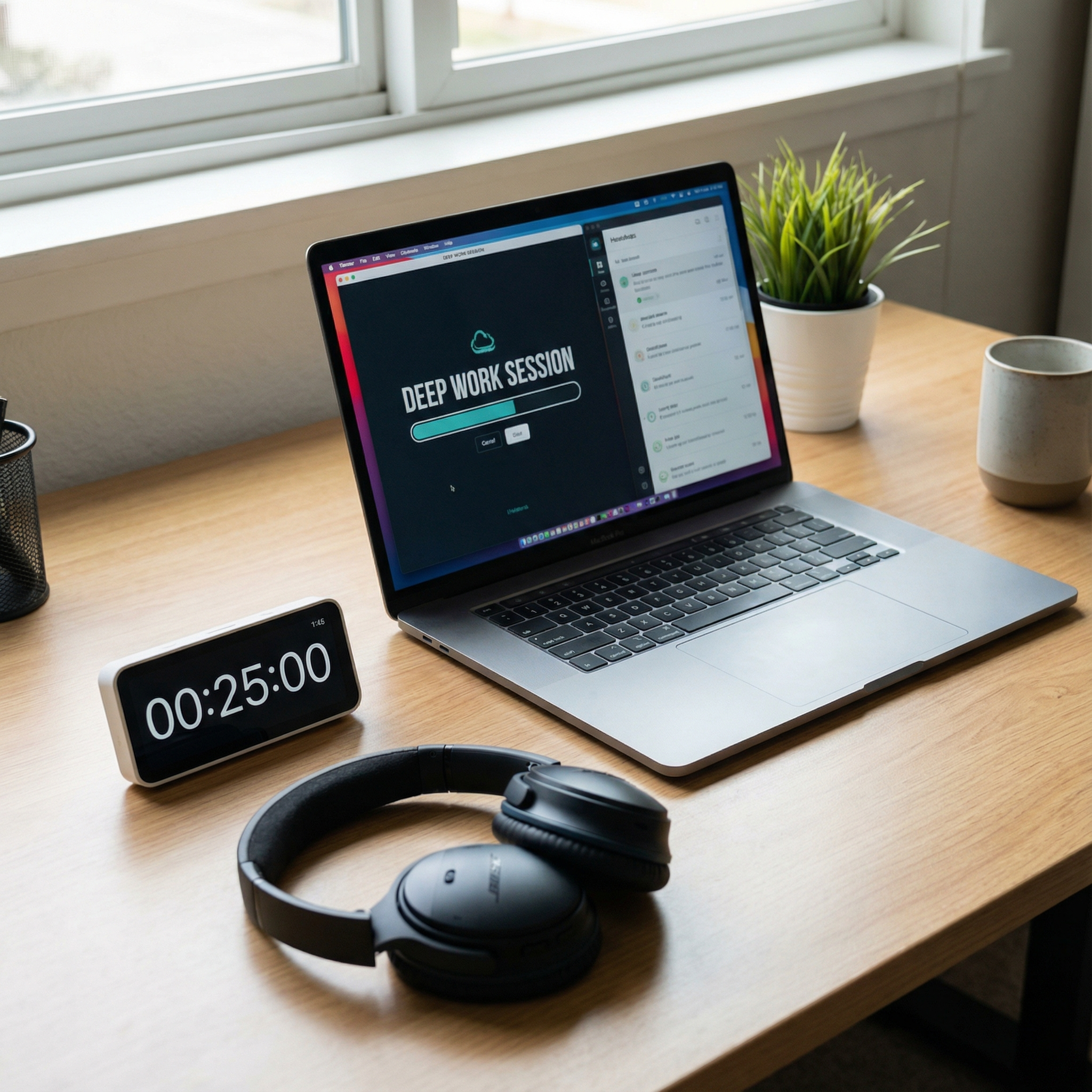
Freedom feels great. Until you realize you also have to manage yourself.
What freedom looks like in practice
- You work when you’re sharp, not when a clock says you should.
- You pick locations intentionally based on cost, safety, and connectivity.
- You build routines that travel with you so productivity doesn’t reset every Monday.
If you want the practical side of “staying online when everything changes,” this helps: Finding Reliable WiFi While Traveling.
2) Cultural Enrichment and Personal Growth (The Unpaid Internship)
The best part of traveling while working is that you don’t just visit a place. You live in it long enough to notice the rhythm. You learn how people solve problems, how they communicate, how they build community. You also learn a lot about yourself when you’re the outsider.
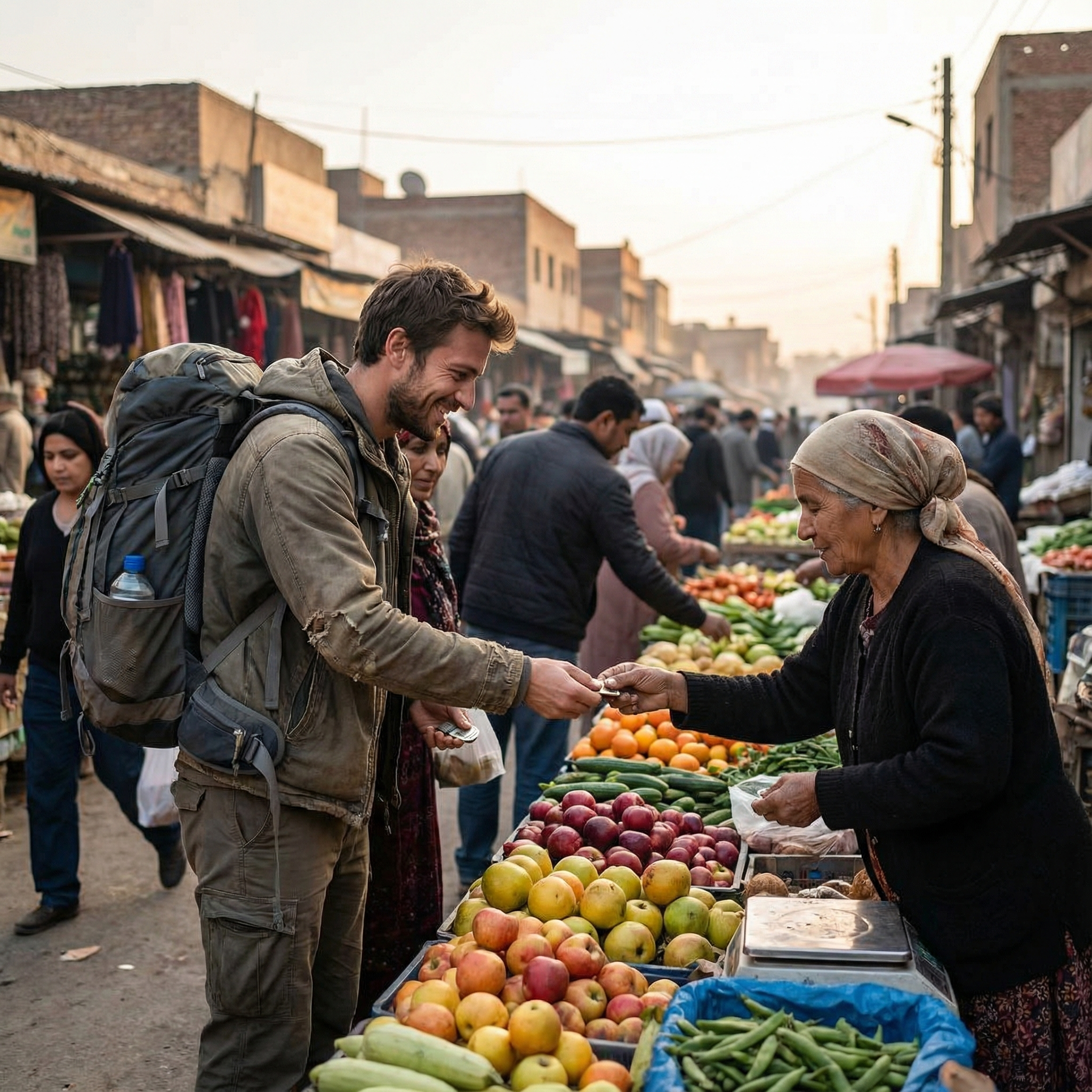
You don’t need luxury travel. You need proximity to real life.
Why this matters beyond “cool experiences”
- Adaptability: you get comfortable making decisions with imperfect information.
- Communication: you learn clarity, patience, and how to read a room.
- Creativity: new environments spark new inputs, which spark better output.
Travel logistics become easier when your tools are dialed in: Best Travel Apps for Digital Nomads.
3) Economic Advantages (When You Stop Guessing and Start Budgeting)
The money side is where a lot of people get surprised. Yes, it can be cheaper to live in certain places. No, it isn’t automatically cheaper just because you left your home country.

Nomad savings are real, but only when you treat them like a system.
The concept people are aiming for
You’ll often hear “cost-of-living arbitrage.” In plain language, it means earning in a stronger currency while spending in a place where daily life costs less. It can be a smart move, especially if your income is stable. It can also fail spectacularly if you ignore insurance, flights, visa runs, or your own burnout.
Money guardrails most beginners miss
- Health coverage: travel insurance or international health insurance is not optional long-term.
- Visas: the rules vary by country and can change.
- Taxes: you may still have obligations at home depending on residency and income source.
- Income diversity: one client is not freedom, it’s a fragile arrangement.
- Digital nomad definition (quick and clear): Investopedia’s definition.
- Costa Rica’s digital nomad program overview: Visit Costa Rica (official tourism site).
- Country-by-country remote work / digital nomad visa tracker map: KPMG tracker (PDF).
If you’re the type that wants the honest tradeoffs before you commit, read this next: Exploring the Downsides of Being a Digital Nomad. It’s better to walk in prepared than to “learn” by panic-googling at midnight.
4) Community and Networking (Because Doing This Alone Gets Old)
The stereotype is that nomads are solo wolves. In reality, most long-term nomads build a repeatable pattern for community. Coworking spaces, local groups, and small circles of friends become the glue that makes travel sustainable.

A reliable workspace often becomes a reliable social anchor.
Why coworking matters
- Reliable internet and fewer productivity surprises.
- Accountability because you’re around people who are also working.
- Referrals and collaborations that rarely happen when you hide in your Airbnb.
If you’re curious how mainstream this lifestyle has become, MBO Partners publishes yearly trend reporting. Here’s their digital nomad trends page: MBO Partners: Digital Nomads Trends.
Challenges to Expect (So Travel Doesn’t Chew You Up)
If you only listen to the highlight reel, you’ll miss the part where nomad life asks more of you than a stable home base does. Not always. Not every day. But often enough that it matters.
Common pressure points
- Time zones: your “normal work day” may happen at night.
- Visa limits: you can’t just “stay longer” because you like the vibe.
- Loneliness: especially in the first few months.
- Burnout: constant movement can become a full-time job.
- Tech failures: one bad connection can cost you a client call.
If you’re planning to go the “legal and structured” route, here’s your next read: How to Apply for a Digital Nomad Visa (Step-by-Step Guide for 2026).
A Simple “Are You Ready?” Checklist
Before you jump, do a quick self-audit. This saves a lot of frustration later.
- Income: stable enough to cover your baseline costs for 3 months.
- Workstack: a simple system for tasks, files, and communication.
- Connectivity: primary WiFi plus a backup plan.
- Insurance: coverage that actually applies where you’ll be.
- Community: a plan to meet people and not isolate.
It’s meant to reduce decision fatigue, not add to it.
Conclusion: Travel Is the Point, Not the Perk
Digital nomads choose to travel because it expands their options. It changes their inputs. It tests their systems. It also exposes weak spots fast, which is annoying in the moment and priceless long-term.
If you treat travel as the reward, you’ll eventually resent the work. If you treat travel as the environment that makes you sharper, calmer, and more intentional, you’ll build something that lasts.
Frequently Asked Questions
Why do digital nomads choose to travel instead of staying home?
Most are chasing freedom, growth, and a better lifestyle fit. Travel becomes sustainable when it’s intentional and supported by systems, not when it’s constant motion with no structure.
Is the digital nomad lifestyle actually cheaper?
It can be, especially when you choose locations based on cost and stay long enough to avoid constant flights and short-term rentals. It gets expensive fast when you move too often or ignore insurance and admin costs.
What jobs allow you to travel as a digital nomad?
Any work that can be done remotely: writing, design, development, marketing, virtual assistance, consulting, customer support, and many types of online business. The key is stable deliverables, not the job title.
How do digital nomads stay productive while moving around?
They standardize their week: work blocks, an admin day, and a reliable workspace plan. Coworking a few days a week and having backup internet is a big difference-maker.
What are the biggest downsides of nomad travel?
Time zones, visa constraints, loneliness, and burnout from constant movement. Most long-term nomads solve this by slow traveling and building routine that travels with them.
Do digital nomads need special visas?
Sometimes. Many countries have digital nomad or remote work programs, but requirements vary widely and can change. Always check the official program details for the country you’re visiting.
How do digital nomads handle taxes?
It depends on your citizenship, residency, and where your income is earned. Many nomads work with a qualified tax professional to avoid mistakes and stay compliant.
What do digital nomads do for health insurance?
Many use travel insurance for shorter periods, and international health insurance for long-term living abroad. The important part is making sure coverage applies where you’re staying and for the activities you’re actually doing.
How do you find community as a digital nomad?
Coworking spaces, local groups, and a small set of repeatable routines help. Aim for one or two real community anchors instead of joining every online group and staying anonymous.



Leave a Reply