
This post contains affiliate links and I may earn commissions if you make a purchase.
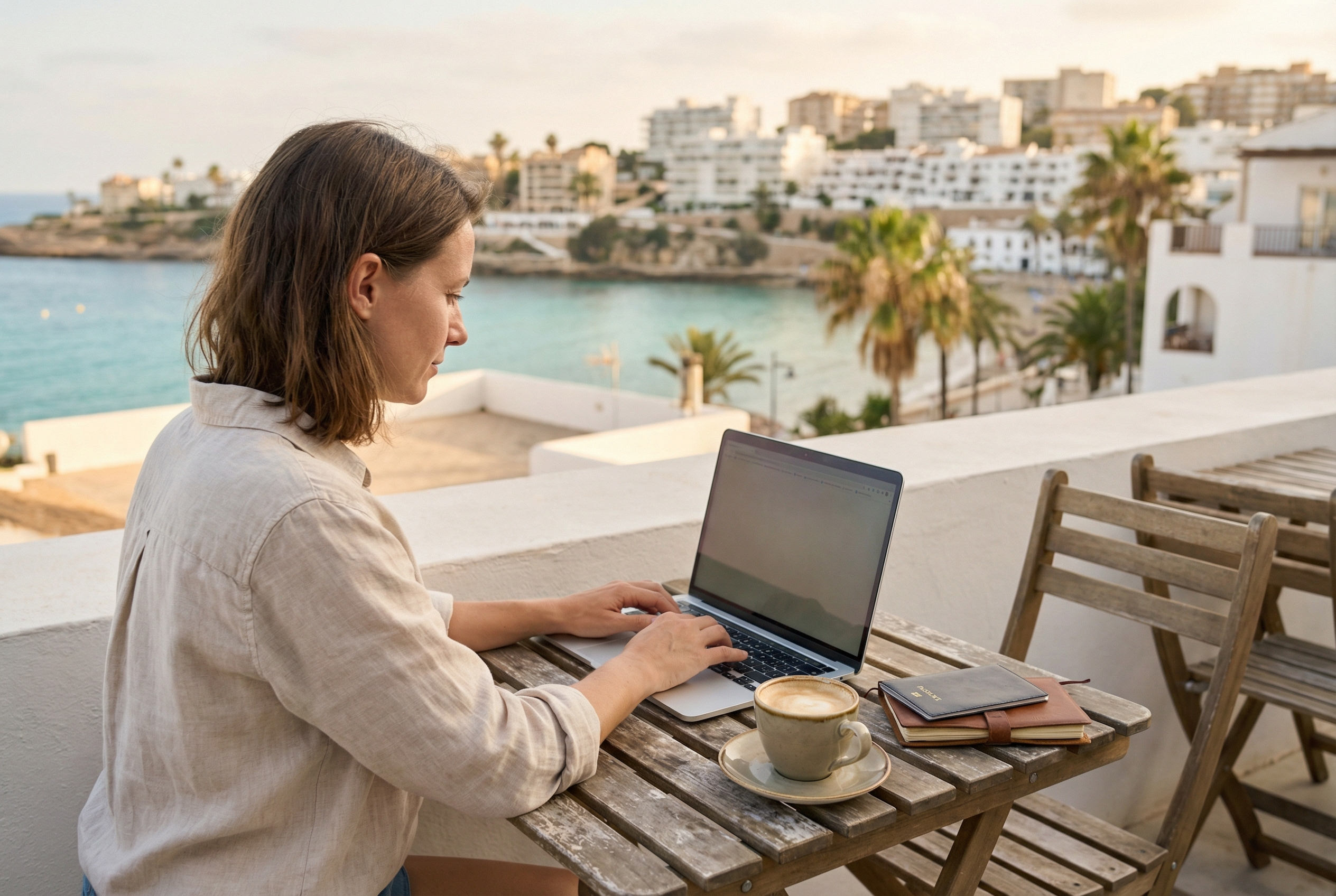
Remote work has reshaped how people live, travel, and build careers. Instead of short-term travel or visa hopping, many professionals are now choosing to live abroad legally through digital nomad visas.
This guide walks you through exactly how to apply for a digital nomad visa — who qualifies, what documents you need, and what to expect once you start the process.
What Is a Digital Nomad Visa?
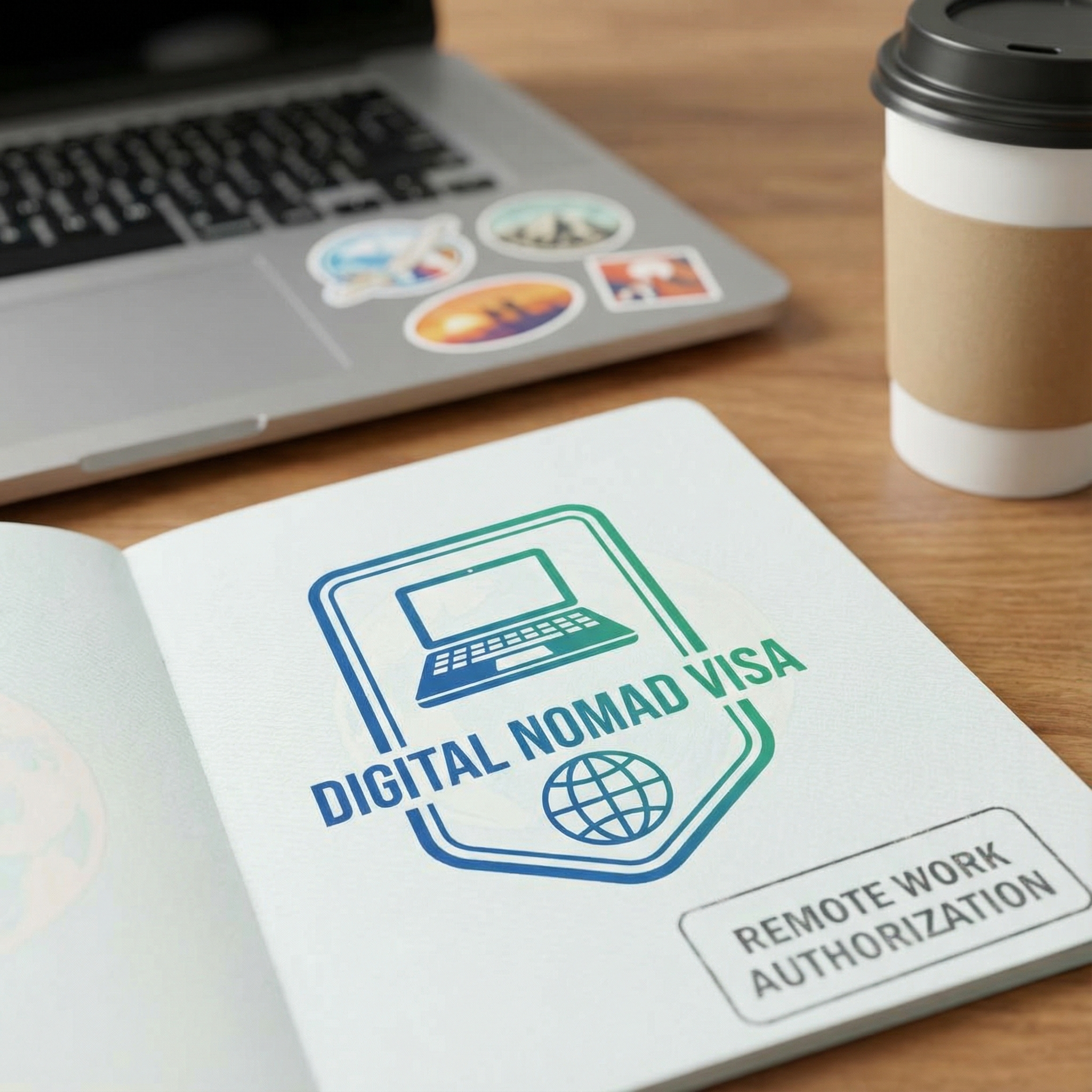
A digital nomad visa is a legal residency permit that allows individuals to live in a foreign country while working remotely for an employer or clients located elsewhere.
Unlike tourist visas, digital nomad visas are designed for longer stays and provide legal clarity around income, residency, and taxation.
Who Qualifies for a Digital Nomad Visa?
- Remote employees working for companies outside the host country
- Freelancers and independent contractors
- Online business owners and entrepreneurs
- Professionals with verifiable recurring income
Most programs require proof of income, valid health insurance, and a clean criminal record. Some countries also require proof of accommodation or minimum savings.
Countries Offering Digital Nomad Visas
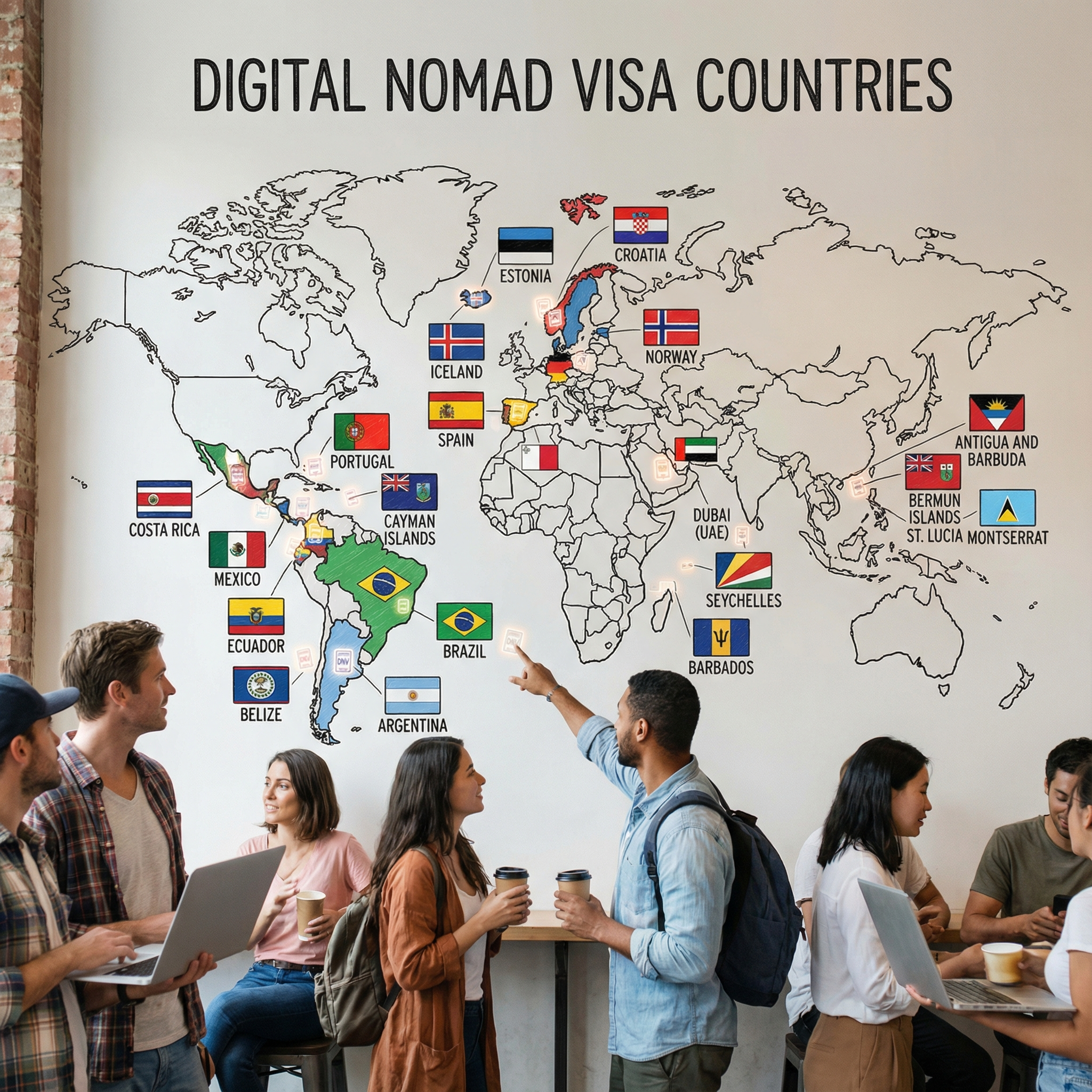
Some of the most popular destinations include:
- Portugal
- Spain
- Estonia
- Croatia
- Costa Rica
- Mexico
- Georgia
Step-by-Step: How to Apply for a Digital Nomad Visa
- Confirm your eligibility and income requirements
- Gather required documents (passport, income proof, insurance)
- Submit your application online or through an embassy
- Wait for approval and prepare for relocation
Common Mistakes to Avoid
- Applying without understanding tax obligations
- Assuming tourist visas allow remote work
- Underestimating cost of living or income requirements
- Using unofficial or unreliable visa agents
Is a Digital Nomad Visa Worth It?
If you plan to live abroad long-term, want legal stability, and prefer a structured path to working internationally, a digital nomad visa is often the best solution.
For shorter stays, a tourist visa may be enough — but for serious location independence, formal residency offers peace of mind.
Related Reading
Nomad Ninja helps you design income streams and systems that support long-term travel.



Leave a Reply